



- Published on: 2026-09-03 11:12:00
How Market Volatility Can Affect MENA Traders
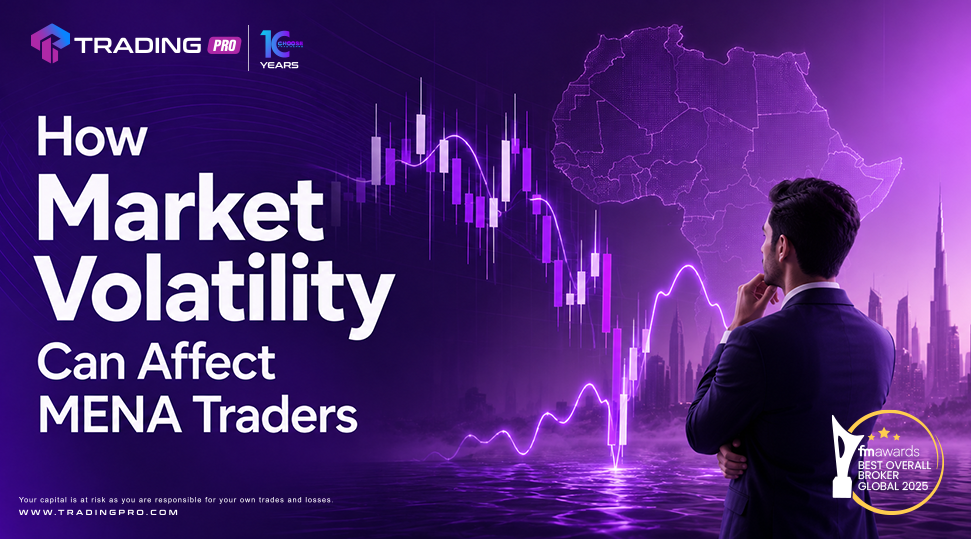
Financial markets do not move at the same pace every day. Some periods are relatively calm, while others can bring significant price movements within a short period of time. This changing pace is known as market volatility.
For traders across the MENA region, understanding volatility can be an important part of market awareness. Regional developments, oil prices, global economic data, interest rate decisions, and geopolitical events can all contribute to changes in market activity.
Volatility can create potential opportunities, but it can also increase risk. Understanding what causes it and how markets may react can help traders approach changing conditions more carefully.
What Is Market Volatility?
Market volatility refers to the degree and speed at which the price of a financial instrument changes over a period of time.
When prices move rapidly and frequently, volatility is considered higher. When price movements are relatively limited, volatility is generally lower.
High and Low Volatility
High volatility can occur when markets receive unexpected information or when uncertainty increases.
Low-volatility periods may occur when there are fewer major economic developments or when market participants have relatively stable expectations.
Neither environment is automatically better or worse. Different trading strategies may behave differently depending on market conditions.
What Can Cause Market Volatility?
Several factors can influence volatility across financial markets.
Economic Data
Inflation, employment, GDP, and other economic reports can influence expectations about economic growth and monetary policy.
When economic data differs significantly from expectations, traders may adjust their positions, potentially creating stronger price movements.
Central Bank Decisions
Interest rate decisions and central bank guidance can have a major effect on currencies and broader financial markets.
Markets may react not only to the decision itself but also to comments about future monetary policy.
Geopolitical Developments
Geopolitical events can increase uncertainty and cause rapid changes in market sentiment.
For MENA traders, regional developments can be particularly relevant, while international events can also influence global markets and commodities.
Why Oil Prices Matter to MENA Traders
Oil has a particularly important relationship with the MENA region.
Changes in global oil prices can influence expectations around economic activity, government revenues, investment, and business conditions in energy-producing economies.
Global Supply and Demand
Oil prices can respond to changes in global demand expectations and supply conditions.
Economic slowdowns, production changes, or shifts in global demand can therefore affect energy markets and broader investor sentiment.
Geopolitical Risk
Because energy markets can be sensitive to geopolitical developments, unexpected events can sometimes lead to sharp price movements.
Traders following oil and related markets should therefore consider both technical price behavior and the broader market environment.
How MENA Traders Can Prepare for Volatility
Preparing for volatility starts with understanding when major market-moving events are expected.
Monitor an Economic Calendar
An economic calendar can help traders identify upcoming releases such as inflation data, employment reports, and central bank decisions.
Knowing when major events are scheduled can help traders make more informed decisions about their trading activity.
Review Market Conditions
Before entering a trade, traders can consider whether the market is currently experiencing unusually high volatility.
Price behavior, recent news, and upcoming economic events can all provide useful context.
Volatility and Risk Management
Higher volatility can mean larger price movements, which can increase both potential gains and potential losses.
This makes risk management particularly important.
Consider Position Size
A position size that may appear reasonable during calm conditions could expose a trader to greater risk when markets become more volatile.
Traders should consider their risk tolerance and overall exposure before entering a position.
Avoid Emotional Decisions
Rapid price movements can create fear, excitement, or the feeling that an opportunity must be taken immediately.
Having a predefined trading plan can help traders avoid making decisions based solely on short-term market reactions.
How TradingPRO Supports MENA Traders
TradingPRO provides trading tools and educational resources that can help traders develop their understanding of financial markets and changing market conditions.
For MENA traders, combining market awareness with technical analysis, economic research, and responsible risk management can provide a more structured way to approach volatility.
Conclusion
Market volatility is a normal part of financial markets. It can be influenced by economic data, central bank decisions, geopolitical developments, oil prices, and changes in investor expectations.
For MENA traders, understanding these factors can provide valuable context when markets begin moving more quickly than usual.
Rather than viewing volatility simply as an opportunity or a threat, traders can focus on understanding the conditions behind the movement and adjusting their approach according to their strategy and risk-management plan.
Start Your Trading Journey with TradingPRO Global
Ready to take the next step in your trading journey? Visit TradingPRO to register your account and connect with TradingPRO across our social media channels.


