



- Published on: 2026-01-19 19:17:00
Mastering the Economic Calendar: The TradingPRO 4-Step Fundamental Guide
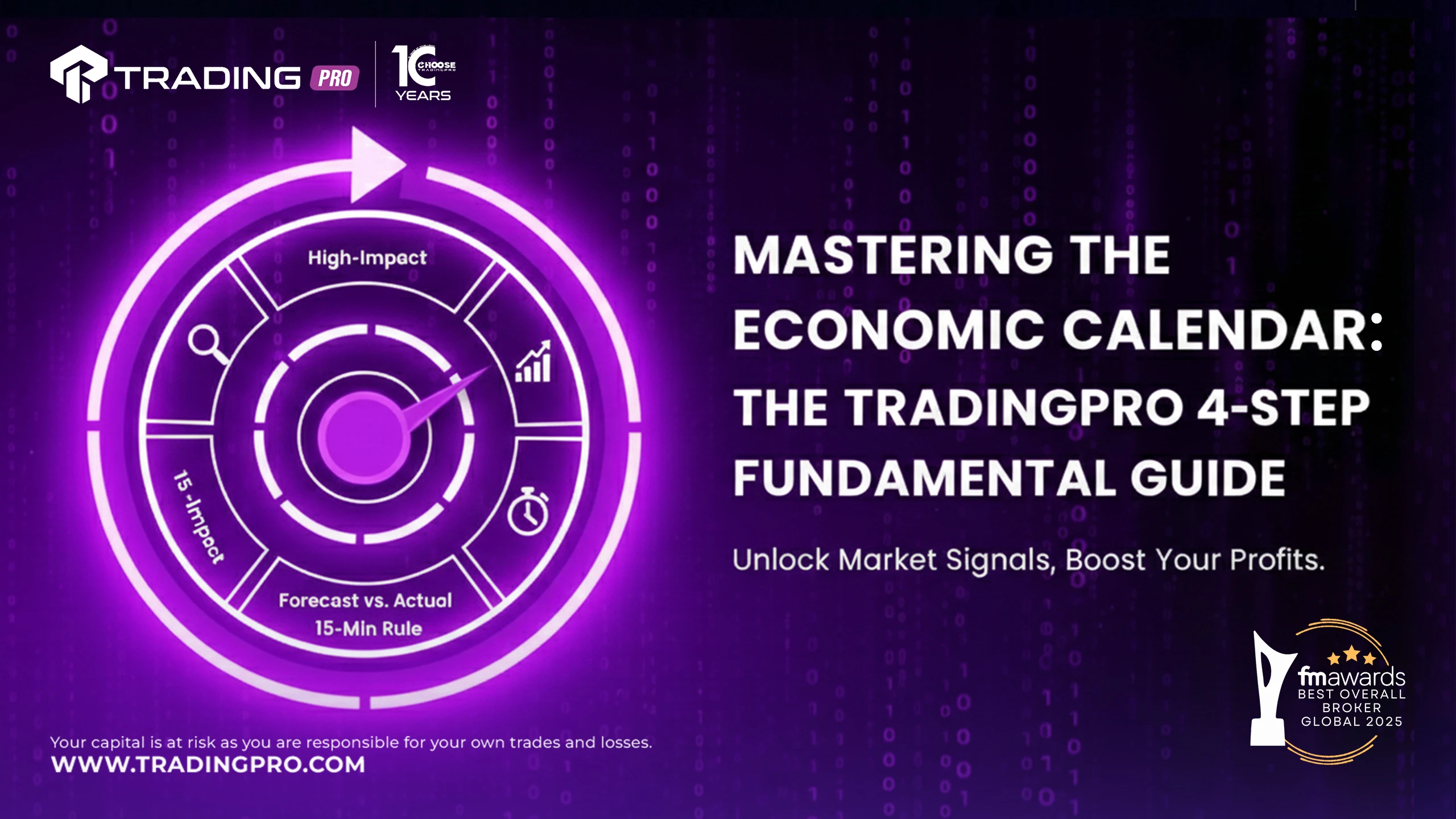
In the fast-paced world of Forex and Commodity trading, information is the ultimate leverage. Many retail traders fail because they trade with "eyes wide shut," ignoring the macroeconomic engines that drive price action.
The economic calendar is your essential roadmap. It helps you navigate market storms and avoid being blindsided by extreme volatility—the kind triggered by Federal Reserve interest rate hikes or unexpected shifts in global GDP. To be a consistently profitable trader, you must move beyond technical patterns and master the fundamental drivers of the market.
Here is the TradingPRO 4-Step Guide to using the economic calendar like a professional institutional investor.
Step 1: Filter by Currency and Region (Eliminate the Noise)
The global economy generates hundreds of data points every day. Attempting to track every minor report leads to "analysis paralysis." To trade effectively, you must curate your data stream.
- The Strategy: Use the filter settings on your calendar (such as ForexFactory or Investing.com) to display only the countries and currencies relevant to your active pairs.
- Focus Areas: If you are trading theEUR/USD, focus strictly on the Eurozone and the United States. This keeps your workspace clean and ensures you are only reacting to data that directly impacts your portfolio.
Step 2: Identify High-Impact Events
Not all news is created equal. While a report on minor consumer sentiment might cause a flicker, the Non-Farm Payrolls (NFP) report can shake the entire global financial system.
The TradingPRO Impact Scale: Most professional calendars use a color-coded system to denote volatility:
- Red / 3 Stars: Major news (Interest Rate Decisions, GDP, CPI/Inflation). Prepare for high volatility.
- Orange / 2 Stars: Medium volatility. These can provide trend continuation signals.
- Yellow / 1 Star: Low volatility. Usually safe to ignore for intraday trading.
Pro Tip: Always prioritize Central Bank meetings, Employment data, and CPI (Consumer Price Index) releases. These are the primary catalysts for long-term trend shifts.
Step 3: Analyze Forecast vs. Actual (The "Surprise Factor")
This is where the "magic" of fundamental analysis happens. Markets are forward-looking; they "price in" the Forecast (the consensus among economists) before the data is even released.

Step 4: The 15-Minute Rule (Mastering Market Reaction)
The most common mistake beginners make is trying to "click" the second news hits the wire. This often leads to being "whipsawed"—a scenario where price spikes in both directions, hitting stop losses before settling on a trend.
- The Strategy: Avoid entering a trade at the exact second of release. High-frequency trading (HFT) bots and institutional algorithms create massive "noise" in the first 300 seconds.
- The Approach: Wait 5–15 minutes for the initial chaos to subside. Let the market digest the data and establish a clear direction.
- The Golden Entry: Look for a "retest" of a key level after the initial news spike. This offers a much higher probability of success than chasing a vertical candle.
TradingPRO Insight: Sentiment Over Symbols
The economic calendar isn't just a list of numbers; it's a measure of market sentiment. Sometimes, "bad" news can cause a price rally if the market was bracing for something even worse. Always observe how price action reacts to the data rather than following the data blindly.
Join the TradingPRO Community!
Loved this article? Get more exclusive content and engage with fellow traders by following us on our social channels.
INSTAGRAM | FACEBOOK | YOUTUBE | LINKEDIN | TELEGRAM | X / Twitter


